Source Custom Tube Liquid Lipstick for Travel, Retail, and Gifting
Source custom tube liquid lipstick from 30 verified listings. Compare options featuring waterproof formulas, private logo customization, and various packaging sizes to find the right fit for your brand needs; compare the available evidence and request quotations based on your requirements.
Key considerations
Products List
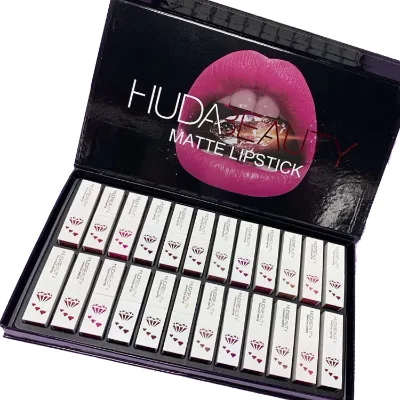
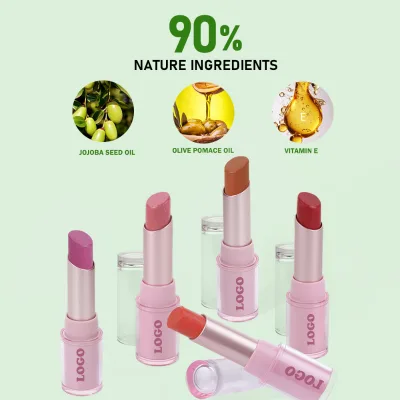


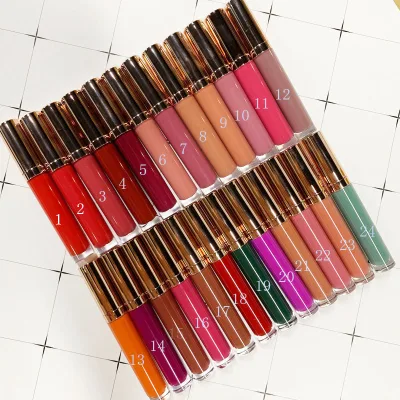


Comprehensive Sourcing Guide
Custom Tube Liquid Lipstick Sourcing Guide
Sourcing custom tube liquid lipstick requires navigating a market where packaging materials and cosmetic formulations are often bundled. Buyers frequently encounter listings that specify plastic PP tubes or ABS components, which serve as the primary vessel for the product. The observed data indicates a strong prevalence of OEM branding, allowing suppliers to apply private logos even on small orders. This flexibility is critical for brands seeking to differentiate their offerings without committing to massive initial inventory volumes.
Procurement decisions must also account for the diverse range of product forms available, from balms to stick formats, which may influence the tube design. While some listings highlight specific color codes and moisturizing properties, the core requirement remains the structural integrity of the tube itself. Buyers should verify that the selected packaging supports the specific viscosity of their liquid lipstick formula. Ensuring compatibility between the tube material and the cosmetic ingredient is essential to prevent leakage or degradation during storage and transport.
Product Scope and Observed Listing Signals
The market for custom liquid lipstick tubes displays a wide variance in minimum order quantities, ranging from single units to twenty thousand pieces. This flexibility allows startups to test designs with low-risk orders while established brands can secure bulk pricing for large-scale production runs. Listings often emphasize the availability of travel sizes and specific single package dimensions, such as 6x6x4.5 cm, which are ideal for promotional kits or retail sampling. Buyers must carefully match these physical constraints with their logistical needs and shelf space requirements.
Visual and functional attributes observed in listings include waterproof claims and high-shine finishes, which are key selling points for end consumers. The product descriptions frequently mention silver surface treatments and single-color options, suggesting a focus on aesthetic customization. However, buyers should treat these attributes as observations of specific listings rather than universal guarantees for all suppliers. It is vital to request physical samples to confirm that the advertised waterproofing and finish quality meet the brand's specific standards before committing to a larger order.
Technical Specifications to Verify
Technical verification begins with the material composition of the tube, as listings cite both plastic PP and ABS as common construction materials. The choice of material directly impacts the durability, weight, and perceived value of the final product. Buyers must confirm that the selected material is compatible with the specific cosmetic formulation to avoid chemical reactions that could compromise the product's safety or appearance. Additionally, the net weight of the packaging, often listed around 2.5g, should be factored into the overall shipping cost calculations.
Dimensional specifications are equally critical, with observed data pointing to travel sizes and specific gross weights like 0.2 kg per unit. The single package size and the overall gross weight influence packaging density and shipping efficiency. Buyers should verify the exact dimensions of the tube and its cap to ensure they fit standard retail displays or travel cases. Furthermore, the shelf life of the cosmetic product, which can extend up to 36 months, must be compatible with the packaging's barrier properties to maintain product freshness throughout the intended distribution period.
Compliance and Safety Documentation
Safety documentation is a non-negotiable aspect of sourcing cosmetic packaging and the products contained within it. Listings frequently reference certifications such as MSDS, ISO, and GMPC, which indicate adherence to specific safety and management standards. Buyers must request current copies of these documents to verify that the supplier maintains valid compliance status. The presence of these certifications suggests a commitment to quality management, but they should be cross-referenced with the specific batch of products being ordered to ensure ongoing validity.
Environmental and regulatory compliance also plays a significant role in modern procurement strategies. Some suppliers highlight eco-friendly attributes and adherence to standards like ISO 14000 and ISO 14001, which relate to environmental management systems. While RoHS is mentioned in background data, buyers should explicitly confirm if the materials used in the tubes meet current regional restrictions on hazardous substances. Ensuring that the supplier can provide a full compliance dossier, including GMP and SGS standards, is essential for mitigating regulatory risks in international markets.
Cost Drivers and Commercial Terms
Cost structures for custom liquid lipstick tubes are heavily influenced by the level of customization required, particularly regarding private logo application. Suppliers often advertise advantages for small orders with custom logos, which can increase the unit price but reduce the barrier to entry for new brands. The observed price range is vast, spanning from 0.1 to 420 USD, reflecting differences in material quality, order volume, and the complexity of the printing process. Buyers should analyze the total cost of ownership, including tooling fees and setup costs, rather than focusing solely on the per-unit price.
Commercial terms such as minimum order quantities and lead times vary significantly across the supplier base. While some listings indicate an MOQ of 50 pieces, others may require much higher volumes to achieve competitive pricing. The packing method, whether in cartons, pallets, or custom requirements, also impacts the final cost and logistics planning. Buyers must negotiate clear terms regarding payment schedules and delivery timelines to avoid disruptions in their supply chain. Understanding these variables is crucial for accurate budgeting and maintaining healthy profit margins.
Supplier Qualification and Quality Control
Supplier qualification involves a rigorous assessment of their manufacturing capabilities and quality control processes. The observed data indicates origins in regions like Guangdong and Zhejiang, which are known for their manufacturing ecosystems. Buyers should verify the supplier's production capacity and their ability to maintain consistency across large batches. Requesting a facility audit or a detailed video tour can provide insights into their quality control measures and the condition of their production lines.
Quality control extends to the verification of product attributes like the "100% new" condition and the accuracy of the custom logo application. Buyers must establish clear acceptance criteria for defects, such as printing errors or structural weaknesses in the tube. The availability of certifications like ISO 9001 suggests a structured approach to quality management, but on-site verification is often necessary to ensure these standards are actively maintained. Establishing a robust inspection protocol before shipment is essential to prevent receiving substandard goods that could damage the brand's reputation.
Long-Term Procurement Checks
Long-term procurement success depends on the ability to maintain consistent quality and supply stability over time. Buyers should implement regular audits to ensure that the supplier continues to meet the agreed-upon standards for materials and certifications. The dynamic nature of the cosmetic industry requires suppliers to adapt to new regulations and consumer preferences, making ongoing communication vital. Establishing a partnership based on transparency and mutual growth can help mitigate risks associated with supply chain disruptions.
Continuous monitoring of product performance and market feedback is essential for refining the procurement strategy. Buyers should track the shelf life and consumer reception of the liquid lipstick to identify any potential issues with the packaging or formulation. Regular reviews of the supplier's performance against key metrics, such as on-time delivery and defect rates, will help maintain high standards. By fostering a collaborative relationship and staying informed about industry trends, buyers can ensure a sustainable and competitive supply chain for their custom liquid lipstick products.
FAQs
Can I get a private logo on small orders?
Yes, private logo customization is available even for small orders. The product page highlights this as a key advantage for buyers seeking branded packaging. You can request custom designs to match your brand identity without needing to meet high minimum order quantities, making it suitable for startups and small businesses.
What certifications are provided for these cosmetic tubes?
The products come with MSDS, ISO, GMPC, and GMP certifications. These documents ensure compliance with international safety and quality standards for cosmetics. Buyers can verify that the manufacturing processes meet regulatory requirements, which is essential for importing and selling beauty products in regulated markets like the EU or US.
What is the minimum order quantity for customization?
The minimum order quantity is listed as 50 pieces. This low MOQ allows buyers to test the market or order small batches for specific campaigns. It supports flexible sourcing strategies, enabling companies to manage inventory risks while still accessing custom packaging solutions for their liquid lipstick or lip balm products.
What materials are used for the lipstick tubes?
The tubes are primarily made from Plastic PP and ABS materials. These materials offer durability and a premium feel for cosmetic packaging. The use of plastic ensures lightweight shipping and cost-effectiveness, while the specific material choice supports the structural integrity required for stick or liquid lipstick formats during transport and daily use.
Where are these cosmetic tubes manufactured?
The products originate from Guangdong and Zhejiang provinces in China. These regions are known for robust manufacturing capabilities in the cosmetics packaging industry. Buyers can expect established supply chains and production expertise, which often translates to reliable lead times and consistent quality control for bulk orders of custom cosmetic tubes.
What is the shelf life of the lip balm products?
The shelf life is specified as 36 months. This duration ensures product stability and quality for retailers and consumers. A three-year shelf life provides ample time for distribution and sales, reducing the risk of spoilage. Buyers should store products in cool, dry conditions to maintain this longevity and ensure optimal performance upon use.